
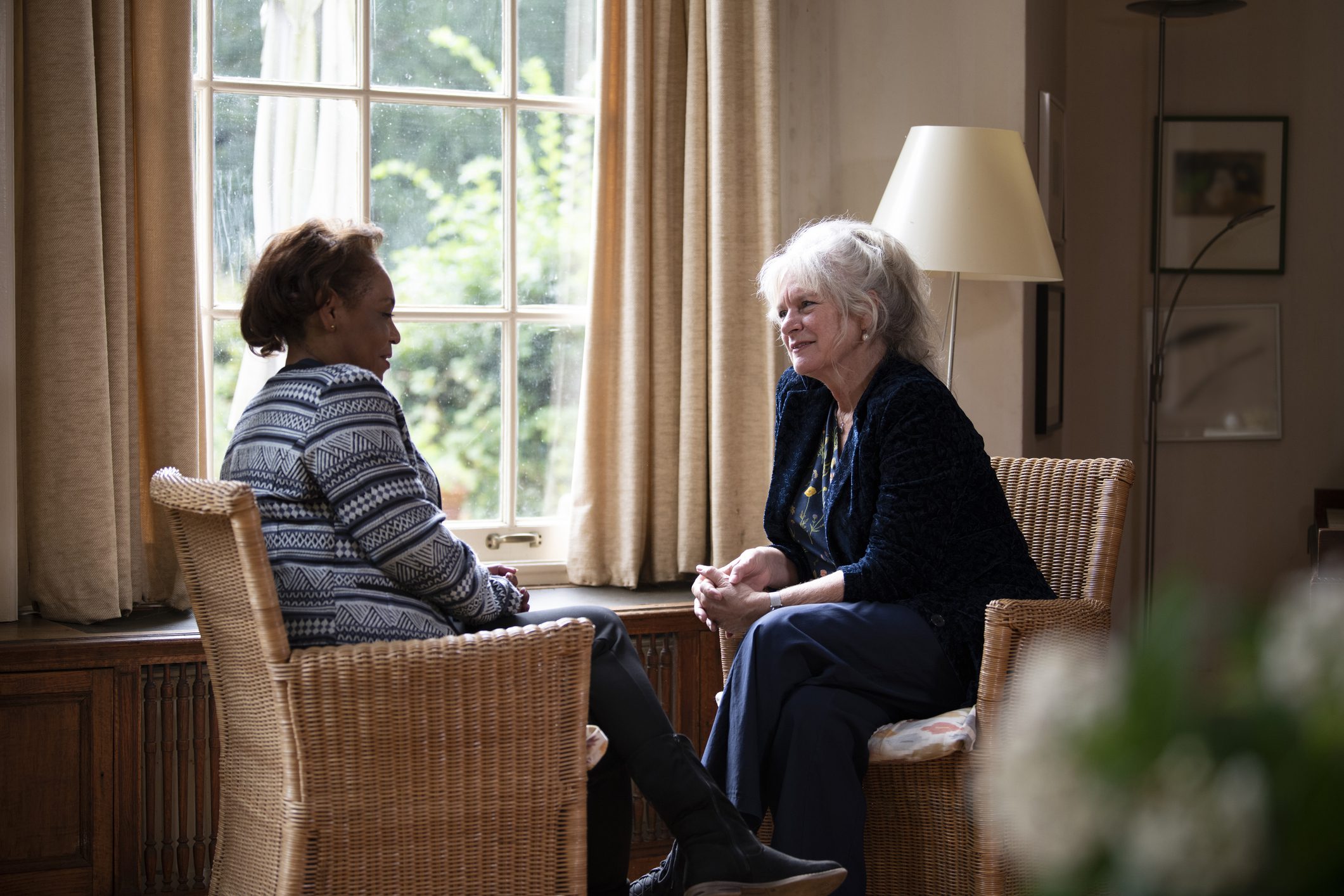
Promoting mental health wellness in seniors is a crucial aspect of their overall well-being. Yet, it’s often overlooked or misunderstood. This article aims to shed light on this important topic. We’ll explore common mental health issues faced by seniors, such as depression, anxiety and dementia.
Understanding Senior Mental Health Issues
Senior mental health issues are more common than many realize. According to the Institute of Health Metrics and Evaluation, around 14% of adults aged 60 and over live with a mental disorder. Depression, anxiety and social isolation are among the most prevalent. These conditions can significantly impact a senior’s quality of life.
Recognizing Signs of Mental Health Problems in the Elderly
Recognizing signs of mental health issues in seniors is crucial.
- Changes in mood or behavior can be early indicators.
- Depression may manifest as persistent sadness or loss of interest in activities.
- Anxiety might present as excessive worry or restlessness.
- Early recognition can lead to timely intervention and better outcomes.
Strategies to Improve Mental Health in the Elderly
Improving mental health in seniors involves a multi-faceted approach. It’s not just about medication or therapy – lifestyle changes, social engagement and physical activity play a significant role. Here are some strategies that can help:
- Regular social interaction
- Physical exercise
- Cognitive stimulation
- Healthy diet
- Adequate sleep
Engaging in social activities
Engaging in social activities can have a significant positive impact on the mental health of seniors. When older adults participate in various social events, whether they are community gatherings, clubs or group outings, they often find themselves in environments that foster interaction and connection with others. This engagement can lead to a feeling of being part of a community or a group, which is crucial for emotional well-being. By forming relationships and participating in shared experiences, seniors can effectively reduce feelings of isolation and loneliness, which can often be prevalent in this age group.
Physical activity and exercise
Engaging in regular exercise provides a wide range of advantages for almost everyone, particularly concerning their physical and mental health. It plays a crucial role in maintaining bodily fitness, supporting cardiovascular health and enhancing overall body functionality. In addition to these physical benefits, exercise is also recognized for its positive effects on mental health. Participating in physical activity can serve as an effective tool for managing stress levels, as it promotes the release of endorphins, the body’s natural mood lifters. Furthermore, exercise has been shown to contribute to improved mood and emotional stability, which can lead to an enhanced sense of well-being.
Therapy and counseling options
Therapy can provide seniors with tools to manage mental health issues. Options for senior mental health services are similar to options for any age group, including individual therapy, group therapy and cognitive-behavioral therapy. However, there are certain programs and therapies for seniors that are targeted to address issues specific to aging and the senior adult experience. These might be particularly helpful if you or your loved one is struggling with issues specific to the aging process.
Accessing Senior Mental Health Resources and Services
There are numerous resources available to support senior mental health. These include community-based programs, online services and telehealth options. It’s important to explore these resources and find what works best for each individual. Here are some resources to consider:
- Local mental health clinics
- Senior centers offering mental health programs
- Online mental health resources
- Telehealth services
Community-based programs
Community-based programs can provide valuable support. They offer services like counseling, therapy and social activities.
Online and telehealth services
Online resources and telehealth services are increasingly popular. They provide convenient access to mental health care from the comfort of home.
The Role of Caregivers in Promoting Mental Wellness
Caregivers play a crucial role in promoting mental wellness in seniors. They provide emotional support and help manage daily tasks. Caregivers can also help seniors access mental health resources and services. They can assist in recognizing signs of mental health issues and seeking appropriate help. In essence, caregivers are a vital link between seniors and the mental health care they need.
Overcoming Barriers to Mental Health Care for Seniors
Seniors often face barriers to mental health care. These can include lack of awareness, stigma and limited access to services. Education and advocacy can help overcome these barriers. It’s important to create a supportive environment where seniors feel comfortable seeking help. With the right resources and support, seniors can overcome these barriers and access the mental health care they need.
Holistic approaches and alternative therapies
Holistic approaches consider the whole person. They focus on the connection between mind, body and spirit. Mindfulness, relaxation techniques and yoga are examples of holistic approaches. Alternative therapies like pet therapy can also be beneficial. These methods can complement traditional treatments, promoting overall mental health wellness in seniors. Promoting mental health wellness in seniors is crucial. It requires a proactive approach from all involved. Family members, caregivers and seniors themselves can all play a part. Accessing resources, engaging in healthy activities and seeking professional help are key steps. With the right support, seniors can enjoy a high quality of life, maintaining their mental health and overall well-being. Spring Mountain has been providing compassionate and comprehensive mental health and substance use disorder treatment for adults and older adults in the Las Vegas, Nevada, area for over 20 years. To learn more about our services available to help treat and maintain your mental health as you age, you can visit our service page, or call us at 702-873-2400.
About Spring Mountain Behavioral Services
Spring Mountain Behavioral Services is a treatment facility that provides compassionate and comprehensive mental health and substance use disorder treatment to children, adolescents, adults and older adults in the Las Vegas, Nevada area. For over 20 years we have been in business creating a healthy environment for all of our patients with a focus on stabilization of acute symptoms. Our facility welcomes people from all walks of life with an age range of 5-65 years old. We have two locations, our primary location being Spring Mountain Treatment Center and our second location being Spring Mountain Sahara.
Some of our programs include our adult inpatient, child and adolescent inpatient and senior adult programs, as well as other programs and services. With these services we offer a healthy and supportive environment with 24-hour care that allows people of all ages to make positive changes in their lives. To schedule a level of care assessment or for more information, please call 702-322-1919.